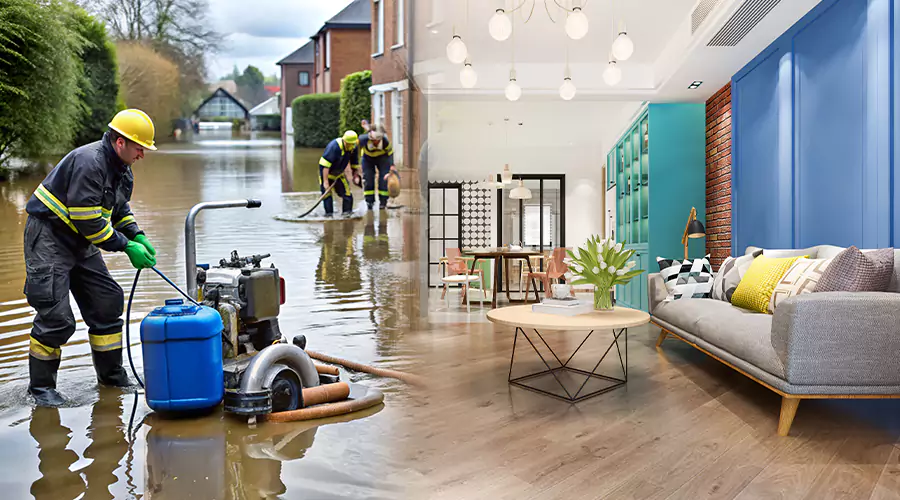




When water damage impacts your home or business, one of the first decisions you’ll face is whether to tackle the cleanup yourself (DIY) or hire professional water damage restoration services. Both options have their advantages and disadvantages, depending on the extent of the damage, your skills, tools, and long‑term goals. Understanding the pros and cons of each approach helps you choose the most effective path forward — one that protects your property, your health, and your wallet.
Water damage restoration involves removing water, drying affected areas, preventing mold, cleaning, and repairing your property after a water intrusion event. This process can range from simple surface cleanup to complex structural drying and reconstruction. Professionals use specialized tools and training to ensure all moisture is removed and damage is properly addressed.
Lower Immediate Costs
One of the biggest attractions of DIY restoration is saving money. You avoid professional service fees, which can be expensive, especially for minor water issues.
Immediate Action Possible
DIY allows you to begin cleanup right away — you don’t have to wait for a restoration team to become available. Early action can reduce visible surface damage in limited cases.
Full Control Over the Process
Handling the cleanup yourself gives you control over every step, from choosing tools to deciding what gets repaired or replaced.
Good for Small Incidents
DIY can be suitable when the water damage is minor and confined to a small area, such as a small sink overflow or accidental spill that hasn’t spread.
Limited Equipment and Expertise
Household tools like towels, mops, and fans can help with surface drying but lack the power of industrial extractors, dehumidifiers, moisture meters, and other professional tools — making it hard to remove all moisture effectively.
Hidden Moisture Often Missed
Water can seep into walls, ceilings, subfloors, and insulation. DIY cleanup often misses these areas, leaving hidden moisture that may lead to mold growth and structural issues later, making professional water damage repair essential for thorough restoration.
Higher Mold Risk
Without proper drying and sanitizing, mold can grow within 24–48 hours after water exposure. DIY methods may not fully eliminate moisture, increasing mold risk.
Time‑Consuming and Physically Demanding
DIY restoration takes time, especially when thorough drying and monitoring are required. If the damage is more extensive than expected, the effort may quickly become overwhelming.
Insurance and Liability Issues
Some insurance companies prefer or require professional documentation for claims. DIY cleanup might complicate claims or reduce coverage, especially if damage worsens later.
Safety Concerns
Water damage involving contaminated water (like sewage or floodwater) presents health hazards. Without protective gear and training, DIY restoration can expose you and your family to harmful bacteria and chemicals.
Advanced Equipment and Technology
Professional water damage restoration companies use industrial‑grade pumps, water extractors, air movers, high‑capacity dehumidifiers, moisture meters, and thermal imaging cameras. These tools ensure thorough water removal and drying, including hidden areas that DIY methods can’t reach.
Expertise and Experience
Certified technicians have specialized training to assess the full extent of water damage, identify hidden issues, and apply appropriate restoration methods. Their knowledge reduces the risk of missing critical steps in the restoration process.
Effective Mold Prevention and Removal
Professionals not only dry affected areas but also apply antimicrobial treatments and conduct mold remediation if necessary — reducing health risks and future damage.
Faster and More Efficient
A professional team responds quickly and works efficiently to limit damage, speeding up drying and restoration to prevent secondary issues like mold and structural decay.
Insurance Claims Assistance
Many restoration companies help document damage and work with your insurer to support claims, making the process easier and increasing the likelihood of full coverage.
Peace of Mind
Hiring professionals gives homeowners confidence that the work meets industry standards and that all affected areas are addressed thoroughly.
Higher Initial Cost
Professional services often come with a higher upfront cost compared to DIY efforts, especially for extensive water damage.
Scheduling Delays
During busy times — like after storms or natural disasters — professional services may have waiting lists, delaying the start of restoration.
Less Control Over the Process
Some homeowners may prefer to be hands‑on rather than entrust the restoration process to an external team. However, reputable professionals usually communicate and involve you in decisions.
Choosing between DIY and professional water damage restoration depends on the severity of the damage, your tools and experience, and long‑term goals for your property. While DIY may work for minor issues and help you save money upfront, professionals provide complete, safe, and efficient restoration that can prevent hidden damage, mold, and costly repairs later. If you’re unsure which option is right for you, don’t hesitate to consult a reputable restoration company — early expert assessment can often save you time, money, and stress in the long run.
Our certified experts are ready 24/7 to assist you with emergency restoration services.
GET A QUOTE